Every emergency has a form. Sometimes it is a silent alarm, sometimes it is smoke curling from a plant space, sometimes it is an overwhelmed visitor pushing the incorrect break-glass panel. The chief warden's job is to acknowledge that form early, arrange a tranquil response, and obtain individuals to security while keeping the site operating as for reasonably feasible. Doing that well takes more than a fast instruction and a high-visibility vest. It takes structured training, proof of competence, and a strategy to keep currency across years, brand-new structure systems, and team turnover.
This post sets out the sensible training path for wardens and chief wardens, the devices of expertise that issue, the evidence assessors seek, and a reasonable sight on recertification cycles. It makes use of a mix of event debriefs, audit findings, and the uncomfortable lessons discovered when alarm systems call during optimal profession or change change.
Where chief wardens fit in the emergency control organisation
The emergency situation control organisation, or ECO, is the framework that transforms a floor plan right into an emptying. It includes the chief warden, replacement chief warden, location or floor wardens, communications officers, wardens for individuals with disability, and specialists like very first aiders. The chief warden leads the ECO, directs the technique, liaises with emergency situation services, and authorises a partial or full evacuation.
On sites with innovative systems, the ECO has to integrate with building monitoring systems, fire indicator panels, cause‑and‑effect matrices, and professional work permits. On tiny websites, the ECO might be 3 people and a mobile warden intercom phone. The training path ranges to both, but the obligations of the chief warden continue to be constant: lead, decide, communicate, and represent people.
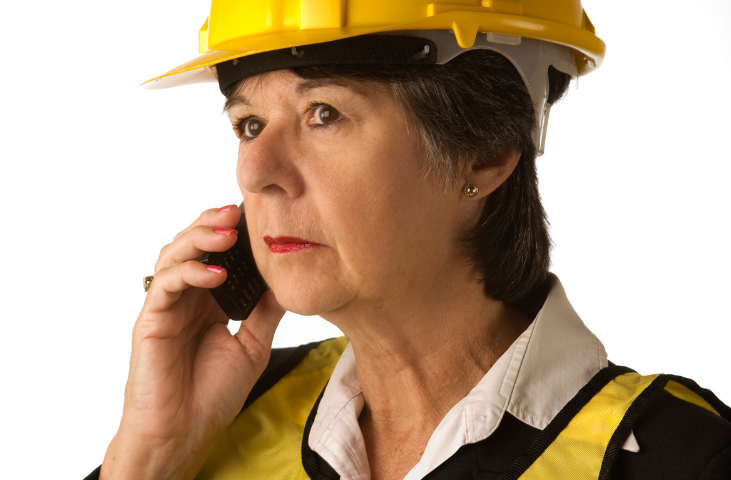
The training spinal column: PUAFER005 and PUAFER006
Two country wide recognised systems underpin most warden training in Australia.
PUAFER005 Operate as component of an emergency situation control organisation concentrates on the core skills for all wardens. Students discover to respond to alarms, evaluate dangers, overview owners, assist with searches, and use the warden intercom and mobile equipment. A reputable puafer005 course is not a slide deck regarding concept. It must include hands-on exercise with your panel mimic, advising system, and neighborhood procedures. When this device is provided generically without website context, wardens execute the hand-operated tasks yet falter when a system acts differently to the textbook.
PUAFER006 Lead an emergency control organisation is the leadership layer. The puafer006 course builds decision making under unpredictability, event coordination, communications discipline, and liaison with attending fire services. It addresses approach choice, partial evacuations, managing prone occupants, and changing from an emergency to recovery. Principal wardens and their replacements need to finish PUAFER006, ideally after or together with PUAFER005, due to the fact that the latter gives the typical language and the previous sets the command tone.
Many companies package these systems into a mixed warden course or chief warden course. The calling differs: chief fire warden course, chief emergency warden, or merely "chief warden training." What matters is the mapping to PUAFER005 for wardens and PUAFER006 for chief wardens, and the top quality of the site-based practical.
Fire warden training demands in the workplace
If you are an individual carrying out an organization or task, you have to ensure your emergency warden training is suitable for your threats, tenancy, and systems. That indicates:
- The number of wardens fits your headcount, floor plate, and operating hours. As a rule of thumb, prepare for one warden per 20 to 50 passengers in low-complexity locations, raising insurance coverage in high-risk areas like labs, kitchens, and plant rooms. Graveyard shift require their very own protection, not a reliance on day staff. Training material aligns with your emergency strategy and your equipment. If you have a WIP network, practice with it. If you have a resident caution system with staged tones, drill the difference between alert and evacuation tones. If you have an atrium with smoke drapes, demonstrate their automatic operation and hand-operated override. Wardens can show useful abilities. That includes making use of extinguishers and fire coverings where risk-free, shepherding groups through smoke compartment doors that close automatically, and checking commodes or peaceful spaces during a search pattern. Records are kept. Auditors seldom examine the option of service provider. They seek money, sign-in sheets, device codes, and a web link back to your site's emergency procedures.
Some organisations select annual fire warden training with shorter refreshers each six months. That rhythm works well in multi-tenant websites where occupant wardens turn. In single-occupant workplaces with secure personnel, a complete course every 2 years may serve if drills and tool kit updates happen in between. The threat profile, not the schedule, must drive the decision.
Chief warden duties that shape the training
I have seen skilled chief wardens do 3 points that never ever look like bullet points in a proficiency requirement: they define tempo, they have the radio network, and they maintain situational humility.
Tempo has to do with pacing activities. If smoke is pressing from a shop space, there is urgency, but still time to shut doors, introduce plainly, and leave in a controlled fashion. Panic spreads when leaders scream. Complacency spreads when leaders are reluctant. Educating for chiefs need to replicate that tension, often with a time‑compressed circumstance and infused info, such as an impaired lift, a missing out on specialist, or a 2nd alarm.
Owning the radio channel means brief transmissions, proper telephone call indicators, and no fluff. The chief warden's name is not as important as the role. If radios are not made use of daily for procedures, they will certainly crumble during a discharge. Training must include radio decorum and rigorous discipline concerning cross‑talk.
Situational humility is approving what you do not know and asking for it. I remember a structure where a professional took refuge in a riser cabinet during an alarm system, thinking it was "much safer." The chief warden asked the basic, efficient concern: "All flooring wardens, do we have eyes on all contractors that checked in today?" That timely caught the abnormality quickly. Training must normalise requesting for verifications, not assumptions.
The proof instructors and auditors really want
Training service providers and auditors are straightened on one thing: capability has to be shown, not insisted. For PUAFER005 and PUAFER006, typical evidence consists of third-party records, observation lists, circumstance involvement records, and created analyses. Each plays a role.
Third-party records function when the manager or structure supervisor talk about the student's efficiency throughout drills and minor events. These reports are more powerful when they mention dates, details tasks, and results. "Angela performed an organized partial emptying of Level 7 on 12 Might after a local smoke detector separated the kitchen area zone. She preserved WIP comms, represented all personnel, and liaised with participating in Fire Rescue Victoria." That sentence confirms capability far better than a tick box.
Observation lists must not be rubber stamps. A well-run exercise enables an assessor to search for sequence mistakes, such as starting a full evacuation without confirming the demand, or falling short to assign a warden to the staircase door to avoid re-entry. Assessors like to see or listen to the chief warden verify muster factor safety, particularly near packing anchors where trucks maintain moving.
Scenario involvement documents matter most for PUAFER006. Excellent circumstances consist of choice forks. As an example, an emergency alarm removes after a maintenance technician confesses to dust while grinding. Do you reoccupy quickly, perform a presented return, or await fire solution clearance? There is no single right answer throughout all sites. The ability hinges on inquiring, documenting the choice, and communicating it coherently.
Written evaluations confirm underpinning understanding: alarm system types, emptying approaches, extinguisher classes, and the structure of an emergency situation control organisation. They ought to be brief yet sharp. A 20‑question quiz on seclusion procedures and alarm logic is adequate. Hour‑long exams have a tendency to determine test endurance as opposed to emergency acumen.
Site-based technique: where proficiency sticks
I have never seen a chief warden come to be positive by class alone. The transforming factor is constantly a site-based run, ideally with partial disruption and genuine stakeholders. If you operate a retail centre, routine a floor warden walk-through at opening up time, when roller doors are moving and occupants need to hear instructions over history music. In hospitals, practice the straight discharge of one smoke area right into another, consisting of person motion. In offices, stage a situation where the chief warden must determine whether to evacuate Degree 18 only or the entire high area after a local detector triggers.

Your emergency warden course gains integrity when it utilizes your real WIP handsets, your fire indicator panel simulate, and your paging tone. One client insisted that their drill include getting in touch with the base structure control space 2 blocks away through the website's standard escalation course. That extra minute of realism discovered a phone transmitting fault and led to a simple, life‑saving fix.
The colour of hats, vests, and safety helmets, and why it still matters
It appears insignificant till it is not. In a congested entrance hall or a great smoky passage, people try to find colour as high as words. Fire warden hat colour and vest colour coding helps bystanders locate authority.
- Wardens commonly put on red. Communications officers are commonly blue. The chief warden hat or vest is normally white. First aiders stay green. Visitors or service providers might be marked with yellow or orange vests depending upon site policy.
If your site utilizes helmets rather than caps, the very same palette normally uses. So, what colour helmet does a chief warden wear? White is the common requirement in Australia and New Zealand. Some organisations adopt white for chief wardens with a black stripe for replacements, but the goal is distinct exposure. Standardise your colours in the emergency strategy and brief new staff throughout induction. During one high-rise drill, two various tenants utilized contrasting colours for chief warden and first aid, which created complication at the setting up area when a medical emergency situation happened alongside the evacuation. The repair took a single cross‑tenant memorandum and upgraded signs near the evac chairs.
Building the team: choose and retaining wardens
Training falls short when you choose the wrong people or approve reluctant volunteers. Good wardens are constant under pressure, understand the flooring, and can forecast calm authority. People supervisors are not automatically the very best wardens. In a logistics facility, the best flooring warden may be the forklift lead that understands every aisle and can spot an obstructed leave from fifty metres. In a lab, it might be the senior technology that understands favorable stress spaces and gas shutoffs.
Chief wardens must have decision-making experience. In an airport terminal, we chose a responsibility supervisor who had run uneven procedures for years. In an aged treatment facility, the after-hours nurse in charge became the deputy chief warden overnight because she currently made life‑and‑death calls within protocol.
Retention calls for recognition. I have seen small incentives job: added professional advancement budget plans, roster versatility, and a clear line on efficiency examines that ECO duties are solution to community and organisation. Absolutely nothing undermines a program faster than penalizing a warden for the time they spend in drills.
Integrating fire wardens with other emergency situation roles
A chief warden is not a standalone hero. They coordinate with initial aiders, safety and security, reception, centers, and professionals. The overlap with safety police officers and business continuity leads is critical throughout healing. After a false alarm evacuation throughout a heatwave, one website forgot to account for chief warden drugs left on workdesks by team with medical problems. The chief warden now consists of a re-entry instruction that advises staff to look for critical products prior to reoccupying. That adjustment originated from a joint debrief with the HSE lead and business connection team.
In production and laboratories, the link in between the chief warden and the permit-to-work controller is important. Warm jobs frequently generate dirt or vapour that activate detectors. If the chief warden recognizes when and where permitted jobs are underway, they can make better initial choices and overview firemans to isolation points. Build that web link right into your emergency warden training and your puafer006 lead an emergency control organisation scenarios.
Documentation that stands in audits and after incidents
Paperwork should be a by-product of real capability, not an alternative. Preserve 3 layers of documents for your fire warden program.
The first is the emergency plan, which names ECO roles, rise pathways, communications, and muster factors. It should describe partial, staged, and complete discharges, consisting of requirements for each and every. If your structure utilizes an area discharge for high or medical care, consist of a straightforward layout with smoke compartments, not simply a fire panel matrix.

The second is training documents: participation, unit codes (PUAFER005, PUAFER006), dates, and instructors. Connect scenario lays out and outcomes. When a regulatory authority inquires about fire warden training requirements in the office, this is the folder they wish to see.
The 3rd is after-action reviews genuine occasions and drills. Short and straightforward beats long and obscure. I like a one-page layout: what occurred, what went well, what requires enhancement, activities with proprietors and dates. Where individuals with disability are affected, record whether the individual emergency situation evacuation plans worked, and change as needed.
Recertification, money, and a sensible rhythm
Competency does not live forever in a certification. Systems modification, people change, therefore do constructing tenants. The sector rule of thumb is yearly refresher training for wardens and chief wardens, with a full reassessment versus PUAFER005 and PUAFER006 every 2 to 3 years. That is a starting point, not a ceiling.
Increase regularity if you have any one of the following: high team turnover, complicated cause‑and‑effect in the fire panel, routine warm works or closures, at risk populations, or recent structure alterations. Reduction only if drills show constant high efficiency, the group is secure, and systems are simple.
Many sites adopt a split strategy: a complete program for new wardens, a 90‑minute refresher in 6 months focused on modifications and a scenario, then a yearly drill that includes the whole website. The chief warden and deputies rotate with lead duties to make sure that no bachelor becomes a solitary point of failure.
Track private expiration days on a straightforward matrix. Connect refresher invitations to calendar suggestions 2 months in advance. Individuals forget, lineups change, and nothing damages compliance quicker than a training course missed due to the fact that the invite mosted likely to a departed employee.
Edge instances: lifts, partial evacuations, and mixed-occupancy buildings
Lifts are the seasonal trap. The majority of websites forbid lifts throughout an emergency alarm, yet skyscrapers depend on firefighter lifts, emptying lifts, or lifts that immediately home to a safe floor. The chief warden requires to recognize the puafer006 precise setup. Throughout training, show lift actions on alarm and the signage that overviews residents. For people with flexibility impairments, practice the strategy: safe refuge areas, evac chairs, and allocated wardens. Do not await the day to check the evac chair. Evaluate it with a volunteer and a security spotter.
Partial evacuations demand a stable voice. Leaving only Degree 11 while the rest of the tower keeps working really feels weird to residents. Your warden training ought to consist of scripts for public address announcements that explain the scope without creating panic. Openness constructs trust: "Focus Degree 11. We are examining a local alarm. Wardens will guide you to the stairwells. Various other degrees continue as regular."
Mixed-occupancy structures present divided authority. Base building guidelines may conflict with occupant assumptions. The chief warden needs to have a pre-agreed method with building management: who makes the emptying telephone call, who controls the general public address, and how to coordinate muster factors on shared paths. During one CBD drill, two tenants sent their people to the exact same edge, blocking the exit and obstructing fire device accessibility. After the debrief, the building supervisor issued a site-wide muster map with appointed corners per lessee and time‑stamped a dedication to evaluate annually.
Practical list for establishing or honing your program
- Map functions and numbers: chief warden, deputy, flooring wardens, interactions, emergency treatment, special needs support. Lock in the training units: PUAFER005 for wardens, PUAFER006 for chief wardens and deputies, via a qualified provider with site-based delivery. Align colours and identifiers: red for wardens, white for chief warden hats or vests, blue for comms, environment-friendly for emergency treatment. Release it in the plan and on noticeboards. Schedule drills with decision forks: never ever run a drill that has just one obvious answer. Infuse a curveball to test interaction and judgement. Set a recertification rhythm: yearly refresher courses, full review every 2 to 3 years, and shorter toolbox updates after any type of system change.
When to intensify and when to hold
The hardest judgment call for a chief fire warden is whether to escalate. Duds and hassle triggers can deteriorate confidence. You do not intend to be the warden who leaves the building for every single toaster. You likewise do not wish to be the one that hesitates on the day a smoldering cord tray becomes a passage packed with smoke.
Good training teaches you to ask 3 inquiries rapidly: Is there verified smoke, flame, or heat? Is the panel showing spread over one's head gadget or zone? Do I have a credible, benign reason from upkeep or owner task that is currently quit? If two of those 3 suggest threat, intensify. Leave the affected area initially, reveal clearly, and prepare to expand the evacuation if problems intensify. Tape the time and reasoning. Fire services usually appreciate a cautious strategy backed by clear information when they arrive.
Tying competence to day-to-day reality
Emergency competence discolors unless you anchor it to everyday habits. Urge wardens to do tiny things consistently: check exit doors during a morning stroll, glance at the fire sign panel en route past, evaluate their radio batteries weekly, and introduce themselves to new personnel. The chief warden can establish a five‑minute agenda item in group conferences to cover a micro-topic: just how to make use of the WIP, just how the sharp versus evacuation tone appears, where the evac chairs live.
In one distribution center, we tied the warden's early morning stretch-and-flex to a thirty‑second reminder concerning maintaining aisles free from pallets and not chaining open fire doors. The obstructed door matter dropped to near zero within a month, much more effective than any strict memo.
What a strong assessment day looks like
When I run a consolidated fire warden training and chief fire warden training day, the form is predictable yet versatile. We start with a walk through the website's critical points: panel, risers, hydrant inlets, smoke doors, stairway pressurisation, evac chairs. We then sit long enough to settle on duties and radio protocols, not to sink in slides. Situation one is low intricacy: a single-zone alarm from a recognized annoyance location. Situation 2 is multi-factor: a contractor record, an alarm system in a surrounding area, an elevator mistake, and an individual transfer or VIP conference underway.
Candidates for PUAFER005 demonstrate flooring move, door control, calm instructions, and aligning at the staircase head. Prospects for PUAFER006 demonstrate command, clearness, prioritisation, and the confidence to claim "I do not recognize yet, examining now." We cover with an after-action evaluation that names what to alter tomorrow. People leave weary, a little bit perspiring, and better prepared.
The takeaways for leaders and security professionals
You do not need a cast of thousands to run a robust ECO. You need the right individuals, educated to the ideal systems, evaluated in your genuine environment, and sustained to maintain their abilities fresh. PUAFER005 operate as part of an emergency control organisation is the engine space of warden capability. PUAFER006 lead an emergency control organisation is the guiding wheel in the chief warden's hands. Proof issues since on the day, confidence comes from method and from knowing you have actually done it in the past, not from a certificate on a wall.
Invest in two things beyond the certificates: circumstances with authentic choices, and connections with base structure, safety, and emergency services. Include the small touches that appear trivial today, like standardising the chief warden hat colour to white across all lessees, or practicing the exact words for a partial discharge. When the alarm sounds and numerous faces seek direction, those investments repay in tranquil voices, orderly staircases, and everyone going home.